

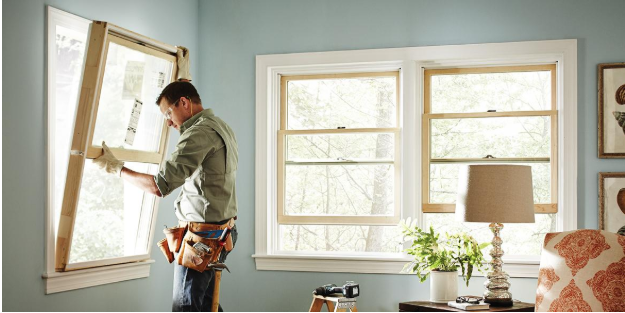
Upgrading your home can often feel overwhelming, with many decisions to make about design, comfort, and long-term savings. One improvement that brings both immediate benefits and long-term value is replacing old or inefficient windows. Window replacements are more than just an aesthetic upgrade—they play a crucial role in improving your home’s energy efficiency. By choosing the right windows, you can lower energy bills, enhance comfort, and reduce your environmental footprint.
Understanding Energy Loss in Old Windows
Many older homes are equipped with single-pane windows or frames that have worn down over time. These windows often allow heat to escape during the winter and let excessive warmth enter during the summer. As a result, your heating and cooling systems have to work harder, which increases your energy bills and reduces overall comfort. Window replacements address these problems by providing modern materials and technologies designed to minimize heat transfer.
How Modern Window Replacements Save Energy
Modern window replacements are designed with energy efficiency in mind. They often feature double or triple glazing, low-emissivity coatings, and insulated frames. Double or triple-pane glass provides an extra barrier against heat transfer, keeping warm air inside during cold months and outside during hot months. Low-emissivity coatings reflect heat without compromising natural light, while insulated frames prevent drafts and cold spots around the edges. These features collectively help your home maintain a more stable indoor temperature and reduce reliance on heating and cooling systems.
Choosing the Right Windows for Your Home
Not all window replacements are created equal. Selecting windows that suit your climate, home design, and energy efficiency goals is essential. For instance, homes in colder regions benefit from triple-pane windows with high insulation ratings, while homes in warmer areas may prioritize low solar heat gain. Additionally, the window frame material—such as vinyl, wood, or fiberglass—affects durability and insulation performance. Working with a professional can help you choose window replacements that offer the best combination of energy efficiency, aesthetics, and long-term savings.
Additional Benefits of Energy-Efficient Window Replacements
Beyond saving energy, modern window replacements improve overall comfort and convenience. Insulated windows reduce drafts, minimize condensation, and block outside noise, creating a quieter, more comfortable living space. They also increase natural light without causing excessive heat, which enhances your home’s atmosphere and may even improve your mood. Furthermore, high-quality window replacements can increase your home’s resale value, making them a smart investment for both short-term comfort and long-term financial returns.
Maintenance and Longevity Considerations
Energy-efficient window replacements are designed for durability and low maintenance. Unlike older windows that may require frequent painting or repairs, modern windows are made from materials that resist rot, warping, and corrosion. Proper installation is key to maximizing their lifespan and energy-saving benefits. Regular cleaning and inspection will keep the windows functioning optimally, ensuring that your investment continues to deliver comfort and efficiency for many years.
Conclusion
Window replacements are a valuable home improvement that goes beyond aesthetics. They significantly improve energy efficiency by reducing heat transfer, lowering energy bills, and enhancing indoor comfort. By selecting the right windows and ensuring professional installation, homeowners can enjoy a quieter, more comfortable home while also contributing to environmental sustainability. Investing in modern, energy-efficient windows is a step toward a smarter, more cost-effective, and eco-friendly home.