

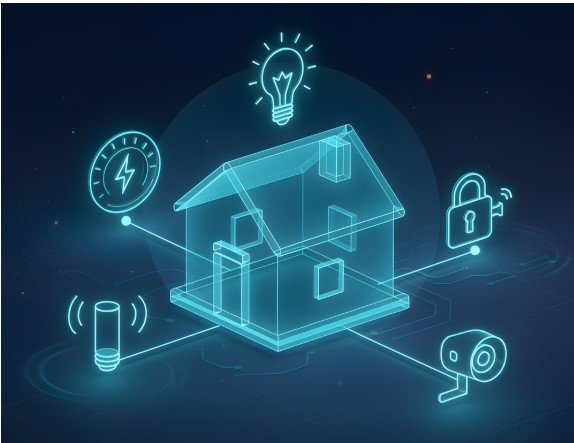
A lot of my friends and family members have embraced home automation to some degree. One thing I have noticed is that most of them describe their systems as a digital patchwork of devices from multiple brands. They will have a video doorbell from one brand, cameras from another, and motion sensors from another. Some of their devices were bought on clearance, while others were gifts.
In isolation, each individual device promises to make your life easier or more efficient. In theory, they actually do, but trying to get them to work together is an entirely different matter. Failure means keeping a bunch of apps on your smartphone so that you can control each device separately. But is that really the best way to go?
Vivint says it is not. They should know; they have been in the home automation and security business for years. They have been helping consumers across the country create complete ecosystems where every device integrates with every other device. One of their newest offerings is the HomeProtect package.
The Point Solution Approach Has Its Limits
Building a system consisting of disparate devices and brands is known as the point solution approach. It’s actually the way most people get their foot in the home automation door. They might start with a smart speaker, then add a few smart light bulbs and maybe some plugs. Before too long, they have created a patchwork of devices and apps that’s hard to control.
The point solution approach has its limits. Here are just four of them:
- App Fatigue – The most visible limit is app fatigue. Consumers get bogged down with so many apps that they just get tired of working with them all. They give up.
- Network Collapse – A large selection of cheap Wi-Fi gadgets can overwhelm a standard Wi-Fi router. This leads to network collapse, typified by dropped connections, slow video buffering, delayed device responses, and more.
- Incompatibility – Devices from different brands often don’t work well together. Their incompatibility makes it more difficult to write sophisticated automations.
- Fragile Security – Every standalone device in a home automation system creates security vulnerabilities. That is not good.
A point solution may be okay if you only want one or two cameras along with a smart thermostat. But if you are looking to fully automate as much of your home as possible, only an ecosystem will do.
Core Principles of a Smart Home Ecosystem
So, what constitutes a home automation ecosystem? A true ecosystem is built on a simple premise: devices should interact with one another without human intervention. A good way to understand it is to consider the core principles that make up a genuine ecosystem:
- Cause and Effect – In a true ecosystem, an event that triggers one sensor should immediately be able to trigger other sensors or routines. This is what allows the more sophisticated automation that removes human intervention from the process.
- Single Interface Access – A true ecosystem offers a single interface for connection. This is often a central control panel that sits on a table or counter. Everything in the system interacts through that hub.
- Centralized Security – A true ecosystem also utilizes centralized cybersecurity protocols and strategies. No device in the system is left unprotected.
The key to making all of this work, according to Vivint, is a solid foundation. HomeProtect is a great example. Vivint offers a basic selection of equipment, along with installation and monthly monitoring. Customers can start there or further equip the HomeProtect system with additional devices. Building on HomeProtect over time creates a unified ecosystem in which every device works with every other device.