

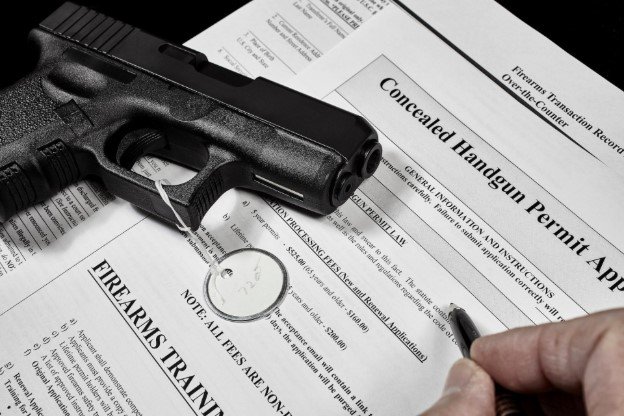
Obtaining a concealed carry permit is a decision that carries legal, ethical, and practical responsibilities that extend far beyond the administrative process of applying for a license. For those committed to exercising their right to carry responsibly, quality concealed carry training provides the knowledge, skills, and legal grounding that responsible concealed carry requires, and that no permit process alone can deliver.
Understanding the Concealed Carry Permit Process
Concealed carry permit requirements vary significantly by state, ranging from shall-issue jurisdictions where permits are granted to any qualified applicant meeting objective criteria, to may-issue states where local authorities exercise discretion in approval, to states that have adopted constitutional carry and require no permit for concealed carry by law-abiding citizens. Most permit processes require completion of a state-approved firearms safety course, a background check through the National Instant Criminal Background Check System, submission of fingerprints, and payment of associated fees.
What Quality CCW Training Programs Teach
A quality CCW program covers substantially more ground than the minimum content required for permit qualification. Comprehensive courses address state and federal firearms law, the legal framework governing the use of deadly force in self-defense, de-escalation and conflict avoidance strategies, safe firearm handling and storage, drawing from concealment, marksmanship fundamentals, and scenario-based decision-making exercises. The legal education component is particularly critical, understanding exactly when the use of deadly force is legally justified, and the serious consequences of applying it incorrectly.
Choosing the Right Firearm for Concealed Carry
Selecting a firearm for concealed carry involves balancing concealability, reliability, caliber, and shooter comfort in ways that are deeply individual. Compact and subcompact semi-automatic pistols in service calibers are among the most popular choices, offering a balance of magazine capacity, manageable recoil, and dimensions that allow effective concealment across a range of carry positions and clothing choices. Whatever platform is chosen, the most reliable firearm is one the carrier has trained with extensively and can operate confidently under stress.
The Legal and Ethical Responsibilities of Carrying
Carrying a concealed firearm is an exercise of a constitutionally protected right that comes with serious legal and ethical responsibilities. Permit holders must be familiar with the laws of every jurisdiction where they carry, including state reciprocity agreements, prohibited locations, and duty-to-inform requirements where applicable. Ethically, concealed carriers accept a heightened responsibility to avoid conflict, exercise exceptional judgment, and recognize that their firearm is a last resort, not a problem-solving tool for situations that do not rise to an imminent, unavoidable threat to life.
Maintaining Skills Through Ongoing Practice
A concealed carry permit represents the beginning of a responsibility, not the completion of one. Firearm proficiency is a perishable skill that degrades without regular maintenance through live-fire practice and dry-fire training. Permit holders who carry without maintaining the training their permit required are less prepared for a genuine defensive encounter than those who practice consistently. Advanced training courses, regular range sessions, and periodic review of relevant legal developments keep concealed carriers at the level of preparedness that responsible carry demands.
Conclusion
Concealed carry is a serious responsibility that rewards those who approach it with the commitment to training, legal knowledge, and ongoing skill development it genuinely requires. The permit process establishes a baseline of qualification, but quality CCW training is what transforms a permit holder into a genuinely prepared, responsible carrier. For those committed to exercising this right with the seriousness it deserves, investing in comprehensive training and consistent practice is the foundation on which responsible concealed carry is built.